
01
Strategy
Begin with organizational purpose, business value and the priorities that projects are intended to advance.
Linking Strategy and Project Management →A practical body of work on managing information-systems projects: risk, planning, structure, estimating, scheduling and leadership.

The archived Information Systems Project Management material opens with a distinction between routine work and project work, then develops a structured approach to risk, planning, life cycles, work breakdown structures, estimating and scheduling.
That material reflects a central theme throughout Scudder's teaching and seminars: software is not a substitute for project-management judgment. Successful projects depend on understanding objectives, risk, structure, people and control.
The course treats project management as an integrated management system: organizational purpose shapes the portfolio, project teams turn priorities into plans, measurement provides feedback, and risk management supports better decisions throughout execution.
Begin with organizational purpose, business value and the priorities that projects are intended to advance.
Linking Strategy and Project Management →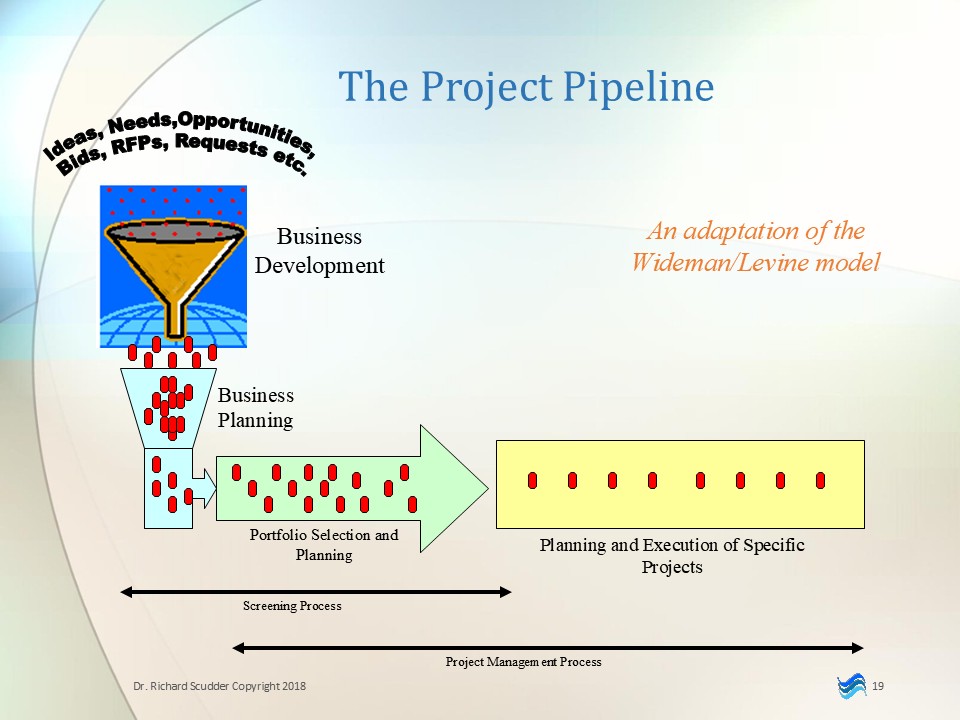
Select, balance and govern projects as a portfolio, supported by consistent PMO processes and standards.
PMOs and Portfolios →
Translate strategic intent into realistic scope, work, staffing, schedules and estimates through team-based planning.
Project Estimation →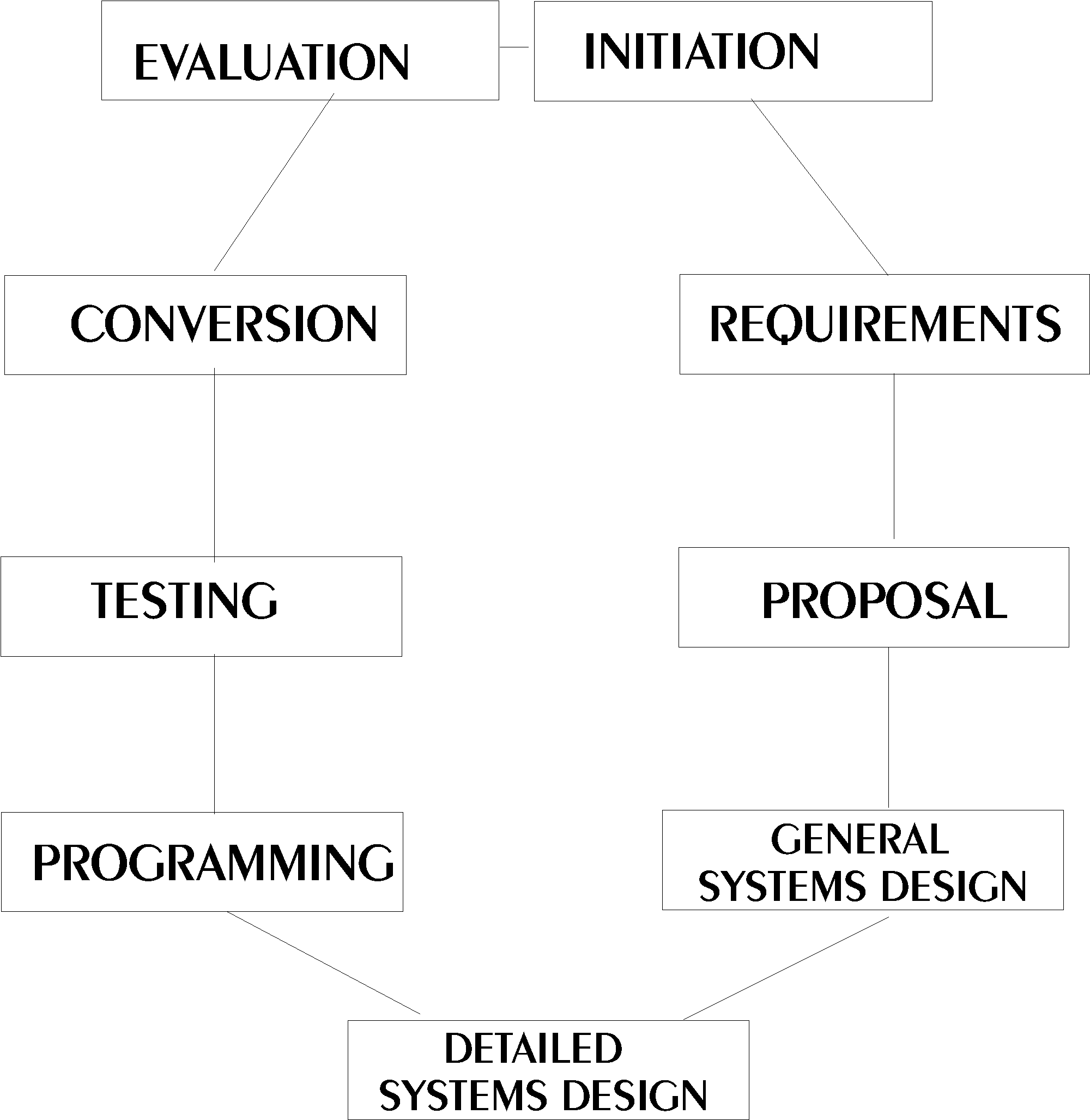
Use meaningful measures, metrics and indicators to understand current performance and provide early warning for corrective action.
Measures, Metrics, and Indicators →
Plan for risk, identify and analyze it, choose responses, and continue monitoring as projects and conditions change.
Risk Management Process →
Report results, learn from performance, and feed what worked—and what did not—back into future projects and portfolio decisions.
Risk Management and Reporting →The companion workbook turns the course into usable organizational exercises: project and portfolio maturity, estimating, scope management, balanced scorecards and risk methodology.